On Viking Sagas and the Legal Tradition
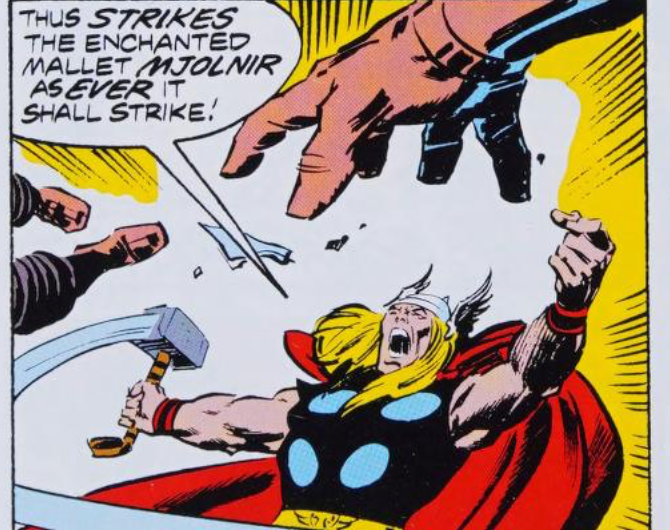
Vikings are having a bit of a moment. The Norwegian soccer team made a deep run into the World Cup, wearing fantastic jerseys inspired by Viking runes, boasting talented players like Erling Haaland and Thelo Aasgaard, and celebrating goals with a "Viking row" that would make a good NFL touchdown dance. Marvel's Thor movies have been box office successes, as has the History Channel's Vikings show, and both have inspired new interest in the Norse gods.
One of the least appreciated aspects of Viking culture, and yet one of the most important ones from a world historical perspective, is the intense respect for law in medieval Scandinavia. This might sound a bit out of tune with prevailing notions of what the Viking Age was like. Marauding bands of Scandinavian warriors with axes and horned helmets descending on sleeping villages and looting them for all they were worth is pretty much the antithesis of law-abidingness. But historical evidence suggests that, at home, Scandinavian communities prized law and legal institutions. To survive the ice and the cold, the Norse had to cooperate for the common good. "With law shall our land be built up; with lawlessness shall it be laid waste," a popular Viking saying went.
The Viking obsession with legal procedure becomes evident when you read the Norse sagas. Many of the central characters of these epic tales are lawyers. Their heroes are described as "well-versed in the law" or "strong in pressing lawsuits." The pivotal scenes often take place around things, the assembly of free men that governed Viking communities and judged legal proceedings.
Here, for example, is the opening of one of the greatest Norse sagas, The Saga of Njall the Burner:
There was a man named Mord whose surname was Fiddle. He was the son of Sigvat the Red, and he dwelt at the Vale in the Rangrivervales. He was a mighty chieftain and a man who was of great assistance in the prosecution of lawsuits. So great a lawyer was he that no judgments were thought lawful unless he had a hand in them.
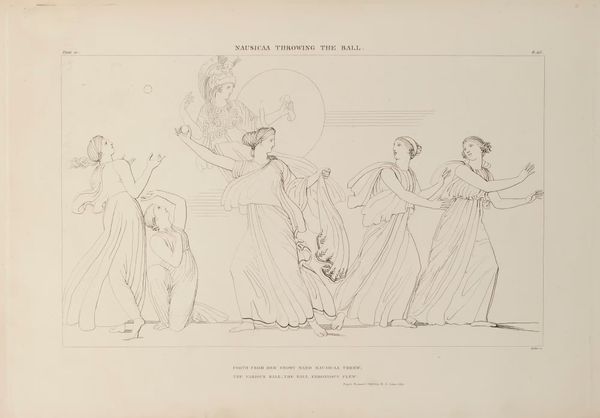
Compare that to the opening lines of the great Ancient Greek and Roman epic poems, and you immediately notice that something fundamental about the European world has changed. It is becoming more focused on order and procedure, and less on the primal forces of nature. Homer's Iliad opens:
Rage--Goddess, sing the rage of Peleus' son Achilles,
Murderous, doomed, that cost the Achaeans countless losses,
Hurling down to the House of Death so many sturdy souls.
The Odyssey begins:
Sing to me of the man, Muse, the man of twists and turns,
driven time and again off course, once he had plundered
the hallowed heights of Troy.
Virgil starts the Aeneid:
Arms and the man I sing, who, forced by fate,
And haughty Juno's unrelenting hate,
Expell'd and exil'd, left the Trojan shore.
The Greeks and Romans led with violence and war. The Vikings led with law.
And what a weird world of law it was. The Vikings had laws about polar bears (if your pet polar bear injured someone, you were strictly liable), ale (if you drank too much ale at the thing, you lost your right to bring a lawsuit for a year), and divorce (a woman could divorce her husband for being too generous with his side of the family). There were special rules governing what would happen if you murdered someone on a fjord. And a common form of judicial procedure was the holmgang, or trial by combat.
With such a complex legal tradition, it is no wonder that the Viking sagas often read like a civil procedure textbook, with the addition of sudden and dramatic bloodletting occurring every few chapters. The climax of The Saga of Njall the Burner occurs at the trial of the men responsible for burning Njall, the hero of the saga, to death in his own home. The case takes a variety of twists and turns as dueling lawyers raise various procedural objections and counter-objections. "They will commit a fatal error in that they will plead their suit in the court of the East Quarter when they should be pleading it in the court of the Northern Quarter," a typical line reads.
But in case you're worrying that the rise of lawmaking might make the Norse sagas boring in comparison to The Odyssey, rest assured. The trial ends with a chapter entitled "The Battle at the Althing." It is filled with spears being caught in mid-flight, shields being shattered in two, and a deadly axe known as the "Battle Troll" wreaking havoc on the enemy.
Thor would have been proud.